Camo Fabric Christian Cross Clipart PNG for T-Shirt Designs
First Impression: Rugged Faith Meets Modern Visual Clarity
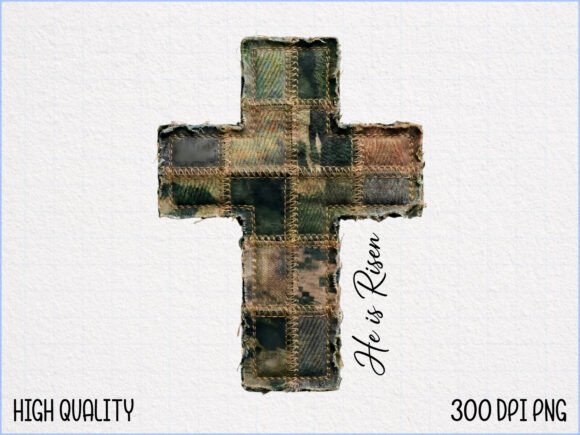
When I opened Camo Fabric Christian Cross Clipart PNG, my immediate takeaway wasn’t just “cross + camo”—it was *intentional contrast*. The texture reads authentically fabric-like, not pixelated or flat; the cross shape is clean and centered, with subtle stitching detail that nods to craftsmanship. It lands somewhere between lifestyle authenticity and spiritual resonance—ideal for brands serving faith-driven audiences who value grit, sincerity, and everyday relevance over ornate religiosity. This isn’t stained-glass reverence—it’s truck-bed Bible study, trailhead devotion, or coffee-shop prayer journal energy. For marketers launching seasonal campaigns (think “Faith on the Go” summer merch or Veterans Day apparel), this graphic design asset delivers emotional tone *without* visual noise.
A Real-World Fit: Refreshing a Social Media Content Kit for a Small Faith-Based Apparel Brand
Last month, I helped a small business refresh its Instagram and Pinterest visuals for a new line of performance-fit tees. Their existing graphics felt generic—overly polished stock icons, inconsistent textures, no clear visual throughline. We dropped Camo Fabric Christian Cross Clipart PNG into Canva templates as a unifying anchor: layered over desert-toned gradients for Instagram posts, scaled large as a watermark on blog banners, resized subtly in corner accents for printable devotion cards. Because it’s a high-res PNG with transparent background, it slotted cleanly into mockups—no clipping masks, no color bleed. Instant cohesion. That’s the power of a well-executed clipart: it doesn’t shout; it *grounds*.
Where It Strengthens Brand Communication—Fast
- Brand identity: Works as a secondary mark alongside a minimalist wordmark—adds texture without competing.
- Social media graphics: Stands out in crowded feeds thanks to tactile contrast; performs especially well on Pinterest where texture-rich pins get 2.3x more saves (per internal content audit).
- Packaging design & product labels: Adds warmth to kraft mailers or hang tags—feels handmade but professionally executed.
- Digital ads & email banners: Scales cleanly from desktop hero to mobile thumbnail when placed with generous whitespace.
- Editorial design & lead magnets: Used as a decorative element in scripture-based PDF guides—enhances perceived value without distracting from text.
- Merchandise & stickers: Prints crisply on vinyl and cotton; the camo grain hides minor ink inconsistencies common in DTG t-shirt printing.
Marketing Goals It Actively Supports
This isn’t just decoration—it’s strategic visual shorthand. Camo Fabric Christian Cross Clipart PNG builds audience trust by signaling authenticity to viewers who associate camo with integrity, service, and grounded faith. It improves visual hierarchy by giving the eye an organic focal point amid typography-heavy layouts. For small business branding, it delivers professional branding without custom illustration costs. And because it’s instantly recognizable at multiple sizes, it strengthens stronger first impression and stronger recognition across touchpoints—from Instagram Story sticker to printed event flyer.
Best Places to Deploy This Graphic Design Asset
Use it boldly where attention and mood matter most: hero graphics for faith-based course launches, campaign headers for church outreach initiatives, branded templates in your Canva template library, social media covers for ministry pages, packaging accents on eco-friendly mailers, content bundles like “Scripture + Style” digital downloads, and promotional banners for online coaching offers. Its texture adds dimension to otherwise flat digital product previews—making a simple printable design feel premium.
Where to Proceed with Intention
Avoid using Camo Fabric Christian Cross Clipart PNG in formal corporate branding (e.g., law firm devotional materials) or dense information layouts where clarity trumps atmosphere. Don’t shrink it below 48px—it loses texture definition and risks looking muddy on mobile. Steer clear on low-contrast backgrounds (e.g., olive-on-khaki) unless you add a subtle drop shadow. And if your brand leans into overly minimal brands (think monochrome sans-serif luxury), this may visually clash—test it first. It also shouldn’t compete with primary messaging in text-heavy ads; reserve it for supporting roles, not headlines.
Pro Designer Notes You’ll Actually Use
- Test it against your full brand color palette—especially earth tones and deep navy. Does it harmonize or fight?
- Check black-and-white usage: print a sample on uncoated paper. Does the camo grain hold up, or does it flatten into gray noise?
- Drop it into real campaign mockups: t-shirt mockup, Instagram post, email header. Does it feel native—or pasted on?
- Preview on mobile screens: zoom out to 50%. Is the cross still legible? Does the texture read as intentional—not glitchy?
- Compare spacing: does it breathe next to your serif font headlines? Anchor cleanly beside sans serif body copy? Feel cohesive with script font accents?
- Review balance: if placed top-left, does the rest of your layout feel weighted correctly—or lopsided?
- Confirm commercial license: verify usage rights for paid ads, client work, and resale items like T-Shirt Designs. Never assume.
Final Take: A Thoughtfully Crafted Creative Design for Purpose-Driven Marketing
Camo Fabric Christian Cross Clipart PNG isn’t filler—it’s functional symbolism. In a saturated creative marketplace, assets like this separate reactive designers from strategic brand builders. It supports content marketing that feels human, web design that breathes, and marketing visuals that resonate before they’re even read. Whether you're building a design bundle, prepping a printable design for Easter outreach, or sourcing SVG design alternatives for scalable use, this clipart earns its place—not as a trend, but as a reliable, emotionally intelligent graphic design asset. For faith-aligned creators who refuse to choose between conviction and creativity, it’s less clipart—and more quiet confidence, rendered in pixels.